
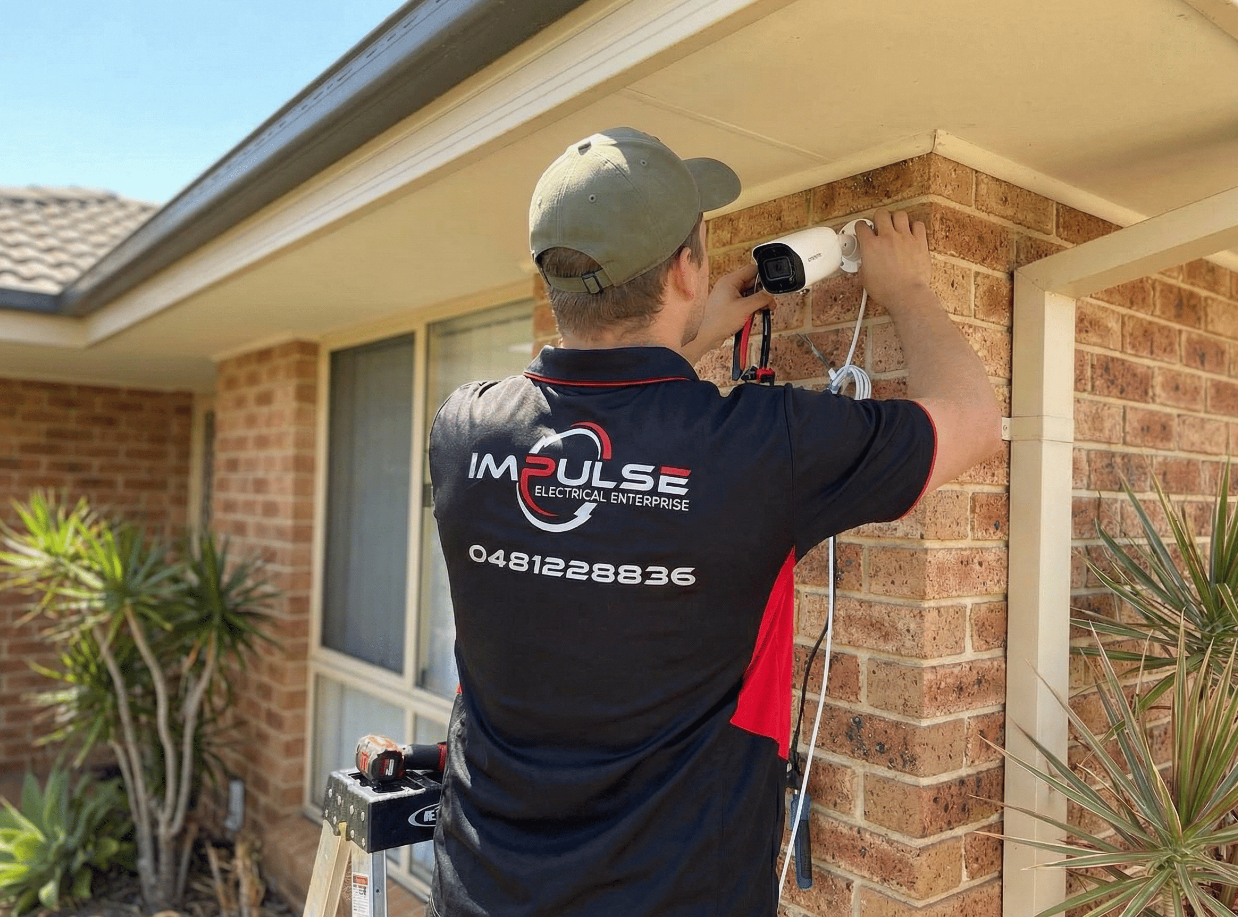
If you happen to be a resident in Sydney’s inner west, the home you reside in probably has a story to tell. It may be a federation terrace with high ceilings, a solid old brick place from the post-war years, or maybe it’s a house that’s been renovated more than a few times, sometimes quite well and sometimes creatively. That character is all part of the charm the house exudes. But when it comes to electrical wiring, age and “she’ll be right” upgrades can quietly become a problem. That’s where RCD testing and proper planning for home rewiring come into play.
Sure, they’re not the most exciting topics to be thinking about, but they’re some of the most important ones when it comes to upgrading your home safely and confidently. The guide below explains what RCDs actually do, why they matter so much in Inner West homes, and how a simple checklist can help you avoid unwanted surprises. Whether you’re renovating, installing new appliances, adding solar, or just want peace of mind, this will help you have an informed conversation with an electrician Inner West Sydney homeowners trust. Let’s jump in.
What Is an RCD—and Why Should Inner West Homes Care?
An RCD, or Residual Current Device, is basically the electrical safety net your home depends on. Its job is to shut off the power immediately if the electricity starts flowing anywhere it shouldn’t, such as through a damaged cable, a faulty appliance, or worst of all, a person. Think of it like the emergency brake in your car. You hope you never need it, but if anything were to go wrong, you want it to work almost instantly.
At a practical level, an RCD:
- Helps prevent serious electric shocks
- Reduces electrical fire risk
- Meets current Australian standards
The issue is that many Inner West homes were built long before RCDs became standard. As a result:
- Some houses don’t have RCDs at all
- Others have older units that don’t perform quite well
- Some rely on one RCD for the entire house, which isn’t quite ideal
That’s why RCD testing is usually one of the first things a qualified electrician checks before any home rewiring or major upgrades take place.
Why Inner West Homes Are Especially Vulnerable
The Inner West is known to have the largest collection of older homes in Sydney, which tends to bring a few unique challenges.
- Ageing Wiring
Homes built before the 1980s may still contain:
- Rubber or cloth-insulated wiring
- Insulation that’s cracked or falling apart
- Circuits that were never designed for today’s power use
It’s a bit like trying to run modern apps on an old computer; it might work for a while, but it’s under strain.
- Layered Renovations
Many Inner West homes have been renovated more than once. Over time, that can mean:
- Partial rewiring instead of full upgrades
- DIY electrical work done years ago
- Old and new wiring sharing the same switchboard
This patchwork setup can confuse RCD protection and make proper testing even more important.
- Higher Demand for Power
Compared to earlier times, modern residences use a lot more electricity. Consider:
- Cooktops with induction
- EV charging and air conditioning
- Home offices that are open all day
Without the necessary improvements, outdated cabling that wasn’t intended for modern power requirements can be dangerous.
RCD Testing: What It Is (and What It’s Not)
Many individuals think that RCD testing is just pressing the “TEST” button on the switchboard, and that’s it. That’s a good habit to have, but it’s only a fraction of the story; there are actually two levels of testing.
Homeowner RCD Test (Monthly)
This is something you can do yourself:
- Press the “T” or “TEST” button
- Check that the power cuts off straight away
- Reset the switch
If it doesn’t trip or won’t reset, that’s your cue to get an electrician on the phone right away.
Professional RCD Testing (Essential)
From this comes the true guarantee. With the proper testing equipment, a skilled electrician measures:
- How quickly the RCD travels
- Is it sufficiently sensitive?
- Whether it is installed and wired properly
This is the only way you can be sure that in a real emergency, the RCD will protect you and not just look nice on the switchboard.
Inner West RCD Testing Checklist (The Heart of This Guide)
If you’re renovating, rewiring, or even considering buying or selling a house, this checklist is a great place to start.
- Confirm How Many RCDs You Have
Ask yourself:
- Does each circuit have its own RCD?
- Or is one RCD protecting the whole house?
Modern setups are known to have multiple RCDs, so one defect doesn’t necessarily shut the whole thing down.
- Check RCD Coverage Areas
Ideally, RCDs should protect:
- Power points
- Lighting circuits
- Kitchen appliances
- Bathroom and laundry areas
- Outdoor power
Many older homes in the Inner West only have some of these covered.
- Test for Correct Trip Time
RCDs are designed to trip very quickly, usually in less than 300 milliseconds. The only person Inner West Sydney residents can trust to accurately test this is a professional electrician.
- Inspect the Switchboard
Watch out for:
- Old ceramic fuses
- Crowded or messy wiring
- Burn marks or heat damage
- No room for future upgrades
If these show up, it might be time to think about rewiring.
- Identify Mixed Wiring Types
Partially rewired homes often contain:
- Modern TPS cable
- Old rubber or VIR wiring
- DIY connections
This mix can affect how well RCDs work.
- Test Under Load
For RCDs to work properly, a qualified electrician needs to test them under load rather than only on paper.
- Confirm Compliance with Current Standards
There are electrical regulations that change with time, and what was acceptable 20 years ago might not even be legal nowadays.
How RCD Testing Fits Into Home Rewiring
RCD testing shouldn’t be an option if you’re thinking about rewiring your home. It’s the foundation everything else is built on, and without it, you’re essentially working blindly, because you have no clue whether the system will actually protect you when it is time to.
Most projects follow a similar flow:
- Initial safety inspection – RCD testing, switchboard checks, wiring assessment
- Risk identification – unprotected circuits, overloaded cables, fire hazards
- Upgrade planning – new switchboards, circuit separation, staged rewiring if needed
- Rewiring work – old wiring removed or isolated, new cabling installed
- Final testing and certification – compliance paperwork and peace of mind
Think of it this way: if you are not testing for RCDs, it’s like refurbishing a bathroom without first checking whether the bathroom leaks. Of course, it will look good from the outside, but the problems will always tend to show up later and often at the worst possible moments. By confirming your RCDs are working properly before, during, and after rewiring, you ensure that the upgrades aren’t just cosmetic but actually safe. It’s a small step that makes a huge difference in long-term protection for both your home and family.
Common RCD Issues Found in Inner West Homes
Electricians in the Inner West tend to see the same issues over and over.
- Nuisance tripping
Most of the time, it is caused old appliances, dampness, or deteriorating wiring.
- False sense of security
If the RCD is installed but wired incorrectly, it’s either protecting the wrong circuits or it’s too slow to trip.
- No RCDs on lighting circuits
Very common in older homes and is a bigger risk than many people realise.
- DIY electrical work
Unlicensed labour may avoid insurance, create risks, and potentially void coverage.
When Should You Book RCD Testing?
It’s a good idea to arrange professional RCD testing if:
- You’re planning a renovation or extension
- Your home is more than 25 years old
- The switchboard’s never been inspected
- RCDs trip constantly or never trip at all
- You’re buying or selling
- You’re considering partial or full home rewiring
Households in the Inner West region need RCD tests every two to five years; in addition, older homes or those with heavy electrical use need more frequent tests.
Regarding this, another important time is during renovations; testing can let one know beforehand about wiring issues and capacity limits before new power points overload the old circuits. Kitchens designed around faulty RCDs mean constant tripping or expensive wall reopenings later.
The “reality checks” for wiring that deteriorates invisibly without smoke or sparks are necessary. There are several properties in the Inner West where RCDs exist, but the trip is too slow for regulations, and one would never spot this visually.
Unscheduled switchboards hide bigger problems. Like a car never serviced under the hood, you can’t see failing components or imminent breakdowns.
Regular checks show what is working, what is failing, and what needs immediate repair, be that excessive tripping from moisture or RCDs that fail to trip when required. Buying or selling a property also demands electrical testing. Standard building inspections miss electrical defects, but recent RCD tests reassure buyers. Partial or full rewires should always begin with testing to establish a baseline of the existing system.
Choosing the Right Electrician in Inner West Sydney
Not all electricians are the same, especially when it comes to older homes.
Look for someone who:
- Works regularly in the Inner West
- Understands heritage and older wiring systems
- Explains issues clearly, without scare tactics
- Offers options, not pressure
Most people don’t realise how the electricians of new builds struggle with the quirks of the house’s Federation-era wiring. The individuality of these terrace house layouts, the brick conduits, the minimal sub-boards, and the mix of rubber and TPS cables used are just some of the unique features of these houses that modern electricians rarely see. Anyone who lives or works within these suburbs and deals with these houses on a daily basis would instantly spot issues with the neutrals.
A qualified electrician would not just say that something is non-compliant and leave it at that.
A competent electrician would take the time to walk you through why the 1960s-era ceramic fuse board would not support your induction cooktop, walk you through the burn marks that indicate which hot spots have developed, and walk you through the rationale behind separating the power and lighting.
They offer choices: a speedy RCD upgrade for instant safety, upgrade phases to match your renovation program, or a full rewire that fits the constraints of a heritage home. They promote these as a solution set, not an emergency sell, and are available to answer questions regarding solar or a charger, without resorting to technical jargon.
The difference shows in their approach. Instead of “you need a $15K rewire tomorrow,” they say, “let’s test your RCDs first, see what circuits need priority, then plan upgrades that fit your budget and timeline.” This builds confidence for decisions about your home’s electrical future.
Cost vs. Value: Why RCD Testing Is Worth It
RCD testing is one of those rare services that offers huge value for a relatively small fee.
You’re investing in:
- Lower risk of electric shock or fire
- Confidence in your home’s safety
- Clear planning for future upgrades
- Fewer surprises during renovations
But it’s easy to let it slide, as everything may seem just “fine.” Electrical problems seldom give much warning, and when they do, the consequences can be severe and also costly. Compared to emergency call-outs, insurance headaches, or rushed repairs mid-renovation, RCD testing is intelligent insurance for preventing such scenarios. In other words, it’s not about being in compliance; it’s about knowing where you stand and making a choice accordingly. And peace of mind in and of itself is worth so much more than the cost of the test.
Conclusion
Upgrading an Inner West home? Before thinking about the looks and polish of new home lighting, splurge on something that truly matters, your safety. An RCD test provides insights into what’s going on behind the scenes and gives a true idea of whether the system that claims to be working to protect you at all times doesn’t have a hidden agenda. With this knowledge, you’re ready to go ahead with an effective plan to home rewire.
The domestic houses of the Inner West have an interesting past. They might also have an assured and reliable electrical future, provided an electrical inspection and improvement strategy is implemented. Working with an electrical expert whom you can trust in Inner West Sydney will assist you with your electrical perplexities and requirements, without using technical terms, if you do not know where to start. The certainty of being able to say your house is safe from electrical damage is empowering.