
Metal parts are widely used across industries due to their strength, durability, and versatility. However, many metal components are often coated or bonded with rubber materials for specific functional purposes, such as insulation, vibration damping, or protection. When these metal parts reach the end of their initial lifecycle or require refurbishment, the presence of rubber residues can significantly hinder the effectiveness of reuse. This makes rubber removal from metal an essential step in preparing metal parts for their next application.
The Importance of Clean Metal Surfaces for Reuse
Before metal parts can be refurbished, repurposed, or recycled, it is critical to ensure their surfaces are free from contaminants. Rubber, being a resilient and adhesive material, tends to adhere strongly to metal surfaces. If left untreated, rubber residues can prevent proper inspection, welding, coating, or painting of the metal parts. Clean metal surfaces ensure better adhesion for new coatings or treatments, and allow for accurate assessment of the metal’s condition, including any signs of corrosion or structural damage.
Moreover, residual rubber can act as a barrier that traps moisture or other corrosive elements against the metal surface. This trapped moisture can accelerate corrosion, ultimately reducing the lifespan and structural integrity of the metal part. Therefore, rubber removal from metal is not only about aesthetics but also about maintaining the material’s functional properties and safety.
Methods of Rubber Removal from Metal
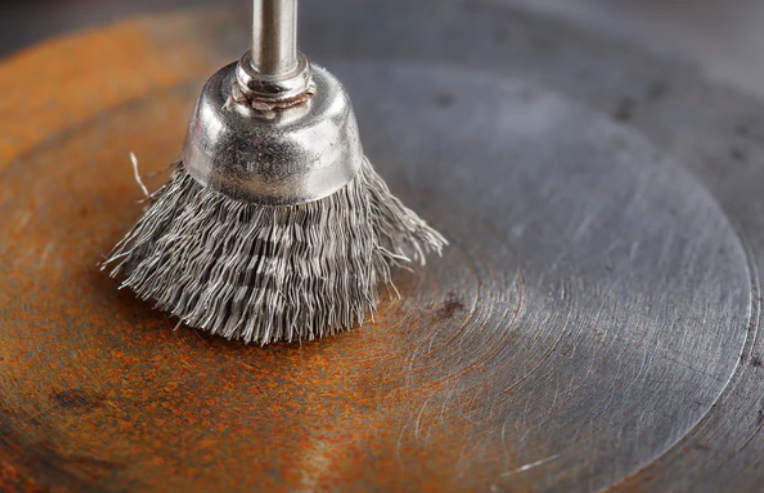
There are several methods available for removing rubber from metal, each suited to different applications and types of rubber contamination. Mechanical methods, such as grinding, sanding, or blasting, physically strip the rubber away but may risk damaging the metal surface if not performed carefully. Chemical treatments involve the use of solvents or specialized chemicals that break down the rubber without affecting the metal beneath. Thermal methods, such as pyrolysis or controlled heating, can also be effective by decomposing the rubber layer.
Selecting the appropriate removal technique depends on factors such as the type of metal, the thickness and composition of the rubber, and the intended reuse of the metal parts. Regardless of the method, the objective remains the same: to restore the metal surface to a clean, usable state without compromising its integrity.
Environmental and Economic Benefits
Efficient rubber removal from metal contributes to sustainable industrial practices by facilitating the recycling and reuse of metal parts. Recycling metals reduces the demand for virgin raw materials, thereby conserving natural resources and reducing energy consumption associated with metal extraction and production.
From an economic perspective, refurbishing metal parts through proper cleaning and preparation is often more cost-effective than manufacturing new components from scratch. Rubber removal is a crucial step in this process because it ensures the metal parts can undergo further processing without issues. This not only extends the life cycle of metal parts but also lowers costs related to material procurement and waste disposal.
Enhancing Quality and Reliability in Reuse Applications
The reuse of metal components requires high standards of quality and reliability, especially in industries such as automotive, aerospace, and construction where safety and performance are paramount. Any residual rubber or contaminants on metal surfaces can compromise bonding in assembly processes or introduce weaknesses that lead to premature failure.
By prioritizing thorough rubber removal from metal, manufacturers and refurbishers can ensure that the reused parts meet industry specifications and function as intended. This commitment to quality helps build trust with customers and supports long-term operational success.
Conclusion
Rubber removal from metal is a vital process that prepares metal parts for effective reuse by ensuring clean surfaces, preventing corrosion, and enabling proper subsequent treatments. Whether through mechanical, chemical, or thermal means, removing rubber residues protects the structural integrity and enhances the performance of metal components. This process not only supports economic efficiency but also promotes environmental sustainability through material conservation. For industries focused on quality and longevity, rubber removal from metal is an indispensable step in extending the lifecycle of valuable metal parts.